
The high-end real estate mantra for years and years was: The higher the price, the louder the house must shout. The ultimate symbols were towering glass entrances, gold accents, large gates and instantly recognizable brand names. But in 2026, the luxury real estate landscape is changing drastically. A new design philosophy has emerged—one which has dramatically changed the way buyers perceive value in residential spaces.
Welcome to the age of “quiet luxury”—the new status symbols are multi-million dollar homes that deliberately try not to stand out from the crowd on the outside, but turn into a flawlessly designed haven on the inside. As one industry expert explained, luxury used to shout really loud, but now it’s whispering, and it is quite loud.
What is Quiet Luxury in Real Estate?
Quiet luxury is essentially an elegant mixture of simplicity and a dash of subtle finesse and a one-word disclaimer from excessive flash, so to speak. This real estate trend, inspired by the “stealth wealth” ethos of fashion, is about hyper-personalized comfort and sensory play rather than public validation.
Most significantly, quiet luxury is not just about minimalism. Minimalism is all about the absence and the negative space, quiet luxury has a keen interest in depth. They tend to be very layered and textured, and are edited rather than emptied. All details are purposeful and nothing distracts from the focus; there is no visual noise.
The 5 pillars of a ‘Quiet’ home are listed below:Here are the 5 pillars of a ‘Quiet’ home:
To achieve quiet luxury in homes built in 2026, a few key factors come into play:
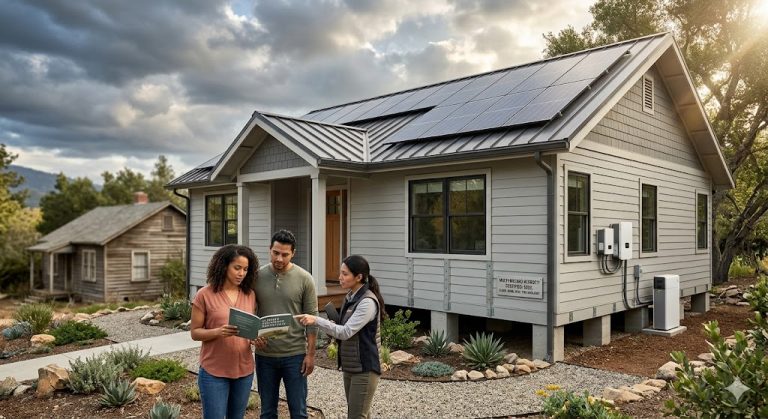
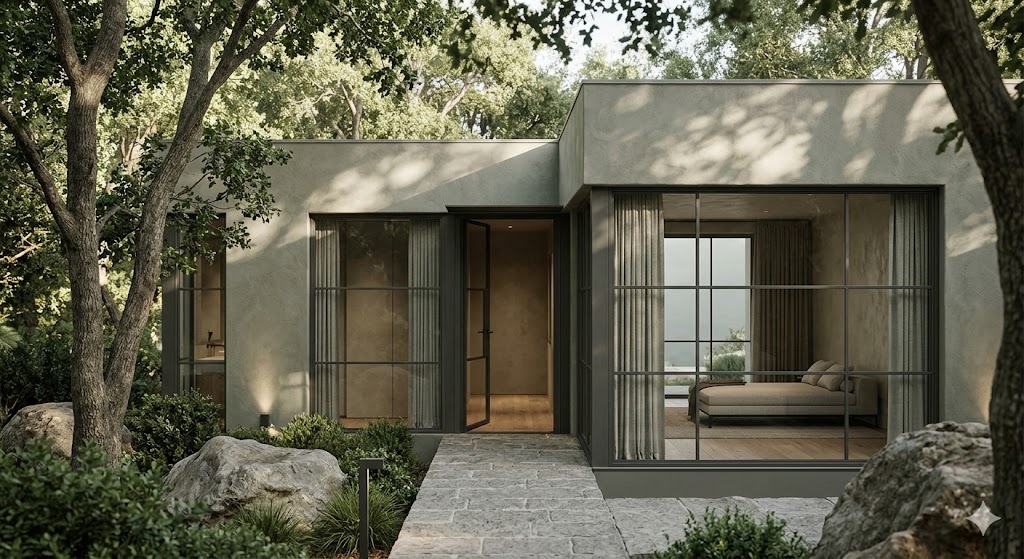
ExTERIOR of the house is designed for discretion – Architectural Restraint. A house from the driveway could look like it’s a middle-of-the-century house or a small modern farm house that is integrated with the natural surroundings. The private courtyards and interior living areas only have the high-end features and scale.
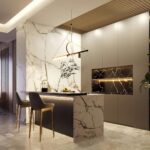
Established, real materials will have the floor in the name of style. These days, consumers are after natural earthy materials that will age well. This features wide-plank matte European oak, warm-toned limestone, boldly veined travertine and unlacquered brass hardware, which will develop a unique patina over time.
Instead of relying on stark whites, 2026 interior designs are going for drenching–monochromatic, rich hues such as terracotta, dusty olive and deep sapphire are being used throughout the walls, ceiling and trim, creating an immersive space that is unified and complete.
These properties are technologically developed but there is no machinery visible. Acoustic speakers are built into walls, televisions hide in built-out cabinets, and lighting is designed to enhance, not intimidate. The house predicts what needs are without revealing the “how” or “when”.
Sensory Isolation: 2026 is a luxury that comes from being totally separated from the outside world. Customers want super-high-end acoustics, including triple-paned windows that filter out street noise, total water purification throughout the house and air filters that rival those found in office buildings.
The latest addition to the trend is the COVID-19 pandemic.The most recent wave of the trend is the Covid-19 pandemic.
Where is the anonymity of the world’s richest buyers in their architecture? The change is partly due to the cultural fatigue and changing definition of well-being.
1. A reaction to an excess of consumption.A response to over consumption.
With social media and the lifestyle it has brought into the spotlight, the real thing that is considered “exclusive” is the act of being in restraint. People who are buying a home for a high net worth do not have to prove that to their neighbors. They look for a space that is built up over time, that is complete and feels at home rather than chasing fleeting trends or putting together a home from a showroom.
2. The Premium on Privacy
For the wealthiest among us, security and seclusion is more important than ever. Buyers are keen to find homes with a high quality of life and total privacy without the world knowing they are there.
3. Cry for emotion rather than show.
People today are seeking a sense of community and peace. They desire housing to be used for people who are housed, not to impress visitors. What really defines luxury is the sense of calm it brings the moment you enter through the door, and not the sheer size of a space or the amount of marble employed.
The Bottom Line
In the future of luxury real estate, it’s evident that quiet luxury isn’t a fleeting trend, but a real shift in values. In 2026, the hottest properties are those that are warm, soft, and clear. In a loud and hectic society, the luxury that is most important is finally a space where one can just breathe.
The videos below also include a list of design trends that will characterize 2026 homes.The videos also feature a list of design trends that will be characteristic of 2026 homes.
In this video, we’ll dive into the visual aspects of how quiet luxury and calming interior design elements are influencing luxury homes in 2026.