
This is because the development of resilience structures is not a choice, but a necessity.This is because building resilience structures is not an option but an inevitability.
The value of a home for decades was dependent upon its physical location. “Climate resilience” has become a new factor in the housing market equation – the one that we’ve heard over and over in real estate: location, location, location.
The sustainability discourse has drastically changed with the increase in frequency and intensity of extreme weather events. It’s not simply about cutting back on your carbon footprint or simply about installing solar panels because they’ll save you a few dollars on electricity. Retrofitting is now essential to keep buildings up for sale, take and hold insurance and remain physically safe in the face of climate shocks. The “wait and see” mentality of home improvement is no longer in vogue.
The Valuation and Insurance Squeeze
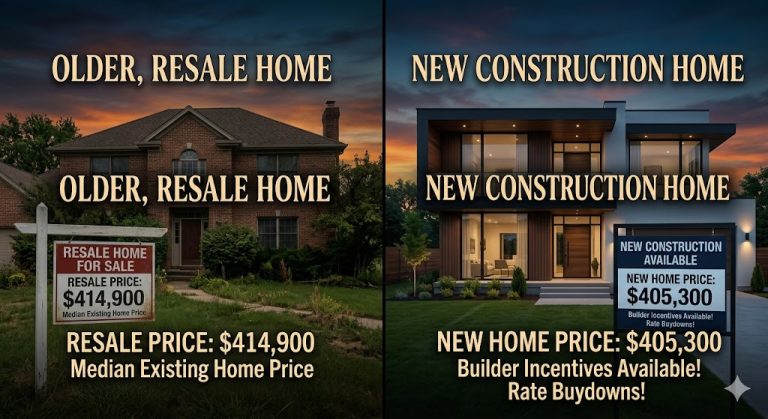
Just a quick look at communities that have suffered from harsh weather conditions in recent years provides insight into the need for retrofitting. High home insurance premiums are particularly squeezing life in certain parts of the country, such as Florida. After the hurricanes had landed, there was a clear difference in the extent of damage and recovery in coastal neighborhoods: older, pre-hurricane homes were left in shambles, and newer homes built with higher ground and up to modern codes were largely spared.
This is a physical reality that is directly converting to financial consequences. With the increasing intensity of the climate hazards, only buildings strategically constructed and retrofitted to be resilient will be able to protect their market value. Indeed, sustainability and carbon performance are now being part of real estate valuations and financial modelling.
Purchasers and investors are turning to be very cautious. The property values and market liquidity are clearly favoring properties in “safe harbor” markets, those with a robust policy framework and resilient infrastructure. However, homes that do not have the upgrades may be at a huge risk of becoming obsolete, because homes that are efficient and compliant will draw in a wider range of buyers and offer them more competitive financing.
The Economics of Preventative Retrofitting
The initial expenses that you have to pay for when you retrofit, like adding to a roof, elevating a foundation, or upgrading drainage can be overwhelming for many homeowners. But the data shows that Investing in prevention is much less costly than recovery after disaster.
These are strong economic facts contributing to the 2026 retrofit boom to consider:
The average cost of an improved and retrofitted vulnerable housing is only 23% of the cost of a new house built in the same site.
The cost of increasing housing resilience is around 1.6 times cheaper when done as a proactive response as compared to a reactive response in the aftermath of a disaster.
When structural repairs are done in advance of a disaster, the cost of these repairs is nearly six times less than if they are done after a disaster.
Owners are now going further and further with these capital expenditure projects, taking into account the long term value, marketability and exit strategy of their asset.
The world is entering an era of multi-hazard defense.The world is moving to a multi-hazard-defense era.
One of the biggest changes in 2026 is the definition of what a “resilient” home is. Traditionally, retrofitting policies focused on remediating a specific hazard in a specific zone, such as fire protection for areas near forests or flood protection for coastal lowlands.
But in many places, there are many hazards, occurring together. A modern retrofit for climate resilience of a building is a multi-layered solution that should consider the threats of flooding, extreme heat, wildfire, extreme wind and severe ice or snow events. Existing buildings need to be adapted to deal with this new reality, and often, innovative solutions emerge to meet these challenges that are greater than standard building codes.
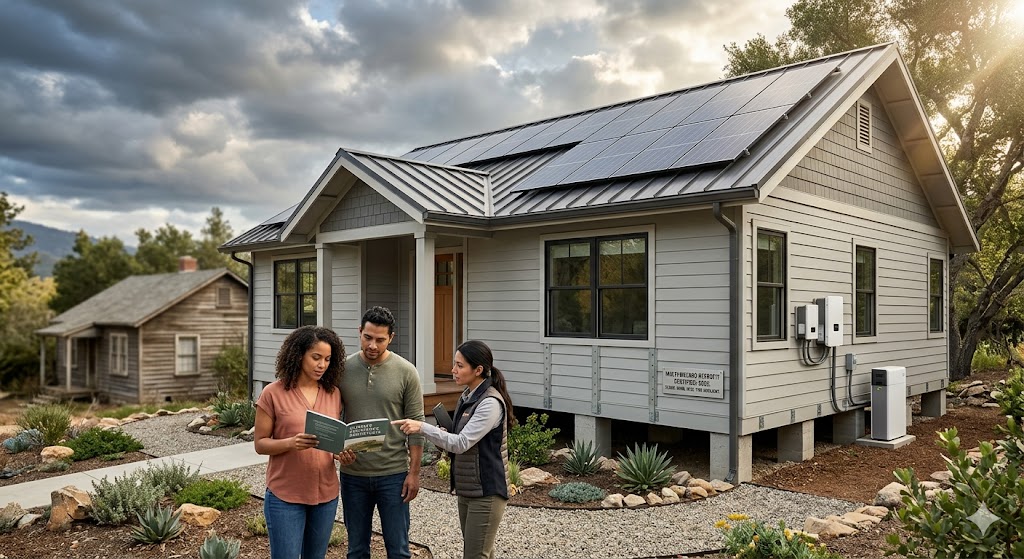
Multi-hazard retrofits offer a full bundle of protection. In the long-term, these lasting enhancements can be very cost-effective for property owners because they will help to reduce the risk of expensive, unexpected maintenance and repairs, and also reduce insurance, fuel and utility bills.
Energy Efficiency as a Baseline
Last but not least, resilience is not just about enduring the elements, it’s about operating through power outages and price increases. Energy availability and its price volatility are now at the heart of asset strategy.
Retrofitting buildings in ways that reduce energy use is a sensible way to save energy, and hence improve the net operating income for investors and reduce energy costs for owners of the buildings. Retrofitting window glazing, wall insulation and heating systems, etc., to achieve a 40% energy saving has been demonstrated in case-specific studies to be highly cost-effective, depending on the local climate zone.
The Bottom Line
The capacity to withstand a storm is as vital as a home’s square footage or neighborhood schools’ quality in 2026. This disparity is growing to a two-tiered housing market with homes that are climate resilient and homes that are not. Climate retrofitting is not just an optional add-on feature but an essential tool to safeguard your biggest asset – your home!