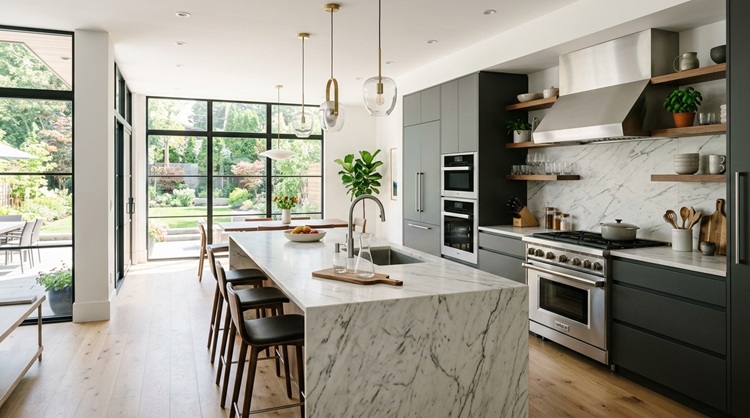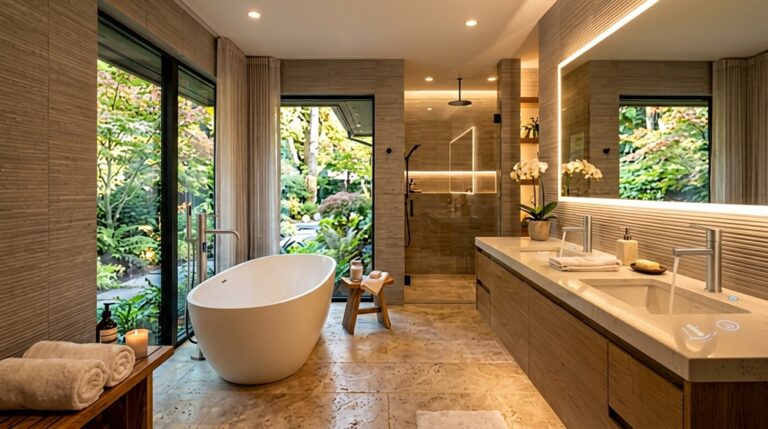

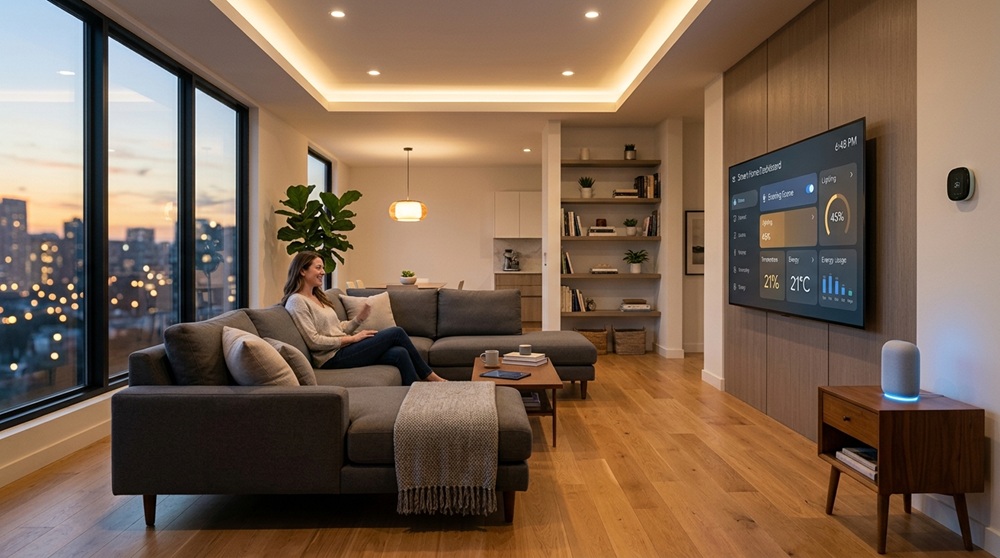
Home renovations can transform your home, make it more functional and perhaps boost the value of a greater home – but numerous residences wonder about the rate. Fortunately, it’s not necessary to spend a ton of money to make a successful renovation. By carefully planning your home’s renovation, making smart investments, and concentrating on the most impactful upgrades, you’ll be able to complete your home makeover without breaking the bank.
Whether you’re focusing on a single space or multiple projects, it all boils down to strategic planning during budget renovation. This approach helps to focus on needs, select suitable, low cost materials, and opt for homemade solutions and materials whenever possible to ensure that you don’t over budget.
When you need to make a budget changeover, it’s significant to have a strategy in place.If you’re making a budget adjustment, it’s crucial to have a plan.
One of most common regrets homeowners have is embarking on a renovation project without a plan. A plan makes unexpected expenses avoidable, and keeps projects under control.
Reach a reasonable budget.Make a realistic budget.
You will need to decide the budget you have before you go about making any changes. Include:
- Material costs
- Labor expenses
- Permits (if required)
Funds set aside for repairs in case of expenses overrunning the budget.
One thing to note: a thorough financial budget can assist in cost management and minimize financial surprises.
1. Focus on those value-added home improvements.Concentrate on high-impact home upgrades.
There are not all renovations subject to the same level of benefits. Make improvements that will improve daily life and have continuing profitable resale value first.
Best Value-Adding Upgrades
- Fresh interior paint
- Updated lighting fixtures
- Kitchen hardware replacements
- Bathroom fixture upgrades
- Improved storage solutions
You can give a home a higher-energy energy and appearance with these budget-friendly enhancements without having to embark on substantial building.
2. Join in on some Home Improvement Projects that are do-it-yourself.
Labour costs can easily make up a large part of the cost of the works done when renovating. Simple DIY home improvement projects can help cut costs and give you the option to customize a home.
These are all projects that will work for most homeowners:
- Painting walls
- Installing shelves
- Updating cabinet hardware
- Landscaping improvements
- Basic decorating projects
But for most people, electrical, plumbing and construction work should be done by professionals.
Conducting there own projects can save a lot of money, provided they are completed safely and correctly.
3. Select cost effective remodeling products or materials.
Luxe materials come with a high price tag and can easily balloon budget over bids. Luckily, numerous cheaper options can achieve the same look and function.
Budget-Friendly Material Options
There would be a place for luxury vinyl flooring rather than hardwood.Luxury vinyl flooring rather than hardwood.
Use laminate over natural stone surfaces
- Peel-and-stick backsplashes
- Engineered wood products
- Refinished existing cabinetry
The materials of today can be cheaper to maintain, more durable, and stylish as well.
4. Improve Energy Efficiency
Energy efficiency upgrades can not only help reduce monthly utility costs, but can make your home more appealing to prospective buyers as well.
Consider investing in:
- LED lighting
- Weather stripping
- Smart thermostats
- Energy-efficient appliances
- Improved insulation
These enhancements benefit you now and in the long run.
5. Prioritize Home Maintenance Firsts
Fix any maintenance problems before investing in cosmetics. If repairs aren’t undertaken, there are even more costly problems to come.
Common priorities include:
- Fixing leaks
- Repairing damaged flooring
- Servicing HVAC systems
- Addressing roof concerns
- Planting trees that block your views of the neighbors.7. Ingesting intoxicants.
It strengthens your home’s base and preserves your investment in case of additional improvements.
Home Maintenance Rules Decorative Home Renovation: Decorative home improvement works should always be subordinate to home maintenance.
6. Renovate in Phases
Attempting to handle all the projects simultaneously could prove challenging with regard to budget and schedule.
Rather, renovations should be undertake in smaller phases:
Begin with the most important repairs first
Harris Point: Upgrade first the areas of the house that are used most by residents and guests.
Take cosmetic changes step-by-step.
For larger projects save for later phases
This is a strategy that enables you to keep the costs living alongside the time but put a daily foot on the ground.
Optimizing functionalities with intelligent interior design.Enhancing performance with smart interior design.
Smart interior design elements can produce a big statement without the extensive remodeling. Just rearranging the furniture, adding new lights, fresh paint, and modern decoration can help your rooms to look larger, brighter and more welcoming.
Simple evaluations can give you results when you would pay a lot more if you had to go with the more elaborate restorations.
Conclusion
With careful planning and conscious choices, budget-friendly home renovation is possible. Homeowners can make a difference in their homes without burning a hole in their wallets by putting their improvements in order, taking advantage of Do It Yourself projects, identifying budget-friendly materials, being smart about their energy usage, planning renovations for stages, and focusing on necessary projects first. A thoughtful strategy for remodeling can add long term value to the home, while improving its functionality and comfort while also having an impact on how much it costs each dollar you invest in the project.