
Teachers have undergone a significant change in the digital era. Technology has changed in the way that students learn and access information, but teachers are still the key to effective learning. The teachers of the day create and mold and guide and inspire and prepare; they don’t just teach.
Educators are evolving their practices to align with the needs of students in an educational technology, virtual learning, and AI in education landscape. Their job now is to teach in a new way, in a digital era, to ensure personalised learning, and to be a good educational leader. In the wake of technological developments, the human element and the relationship between teachers and students are still crucial to successful learning and development.
How the Teaching Profession Is Changing
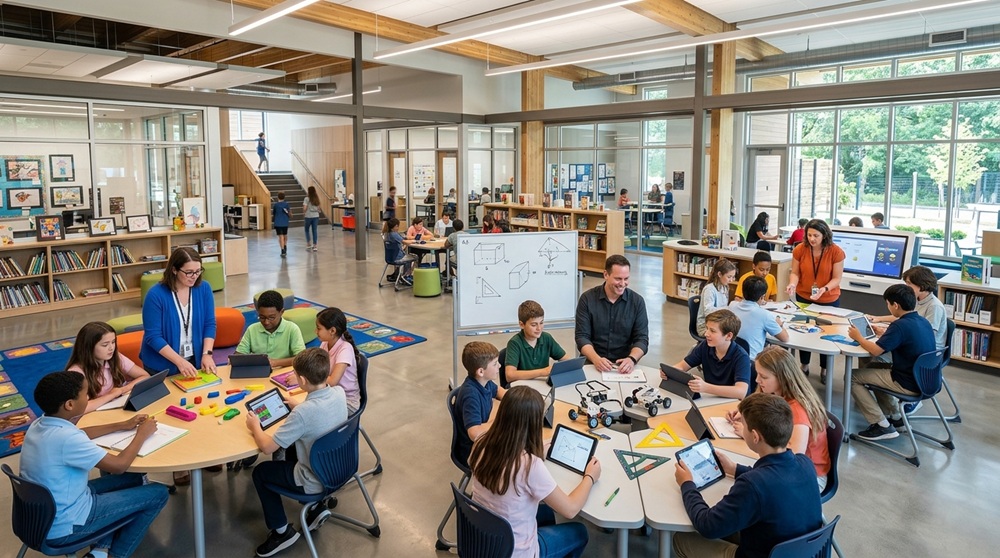
The classrooms today are very different than past classrooms. Students have instant access to information via digital devices, online and learning platforms. Therefore, teachers are no longer the only ones to hold the knowledge.
Rather, they are used for the following purposes:
• Learning facilitators
• Academic mentors
• Technology integrators
• Critical thinking coaches
• Student advocates
This change allows teachers to concentrate on skills such as analysis, problem-solving, and application skills in contextual situations.
Key Insight: The digital age is about guiding learning and not just imparting information.
The use of Educational Technology as a teaching partner
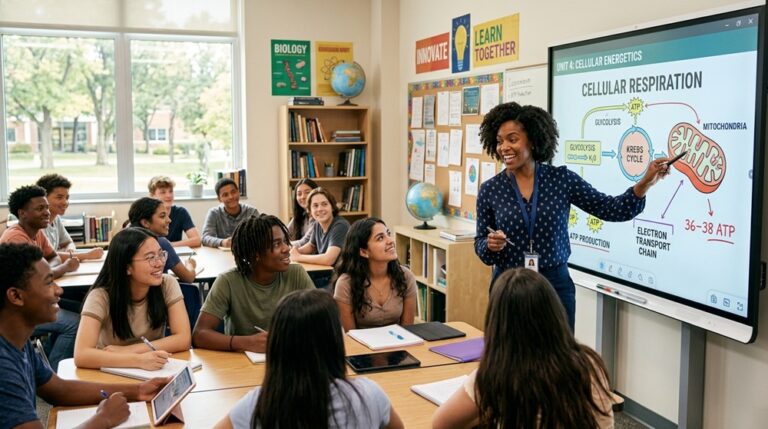
Technology is now a part of learning in today’s world. Digital tools are used in the classroom to improve learning and teaching from interactive whiteboards to cloud-based learning platforms.
Educational technology offers advantages such as: Some of the benefits of Educational Technology are:
Teachers employ technology to:
• Create engaging lessons
• Track student progress
• Provide instant feedback
• Support collaborative learning
• Personalize instruction
Educators can gain more insight into student performance and places to provide more support with the use of learning management systems, educational apps, and digital assessments.
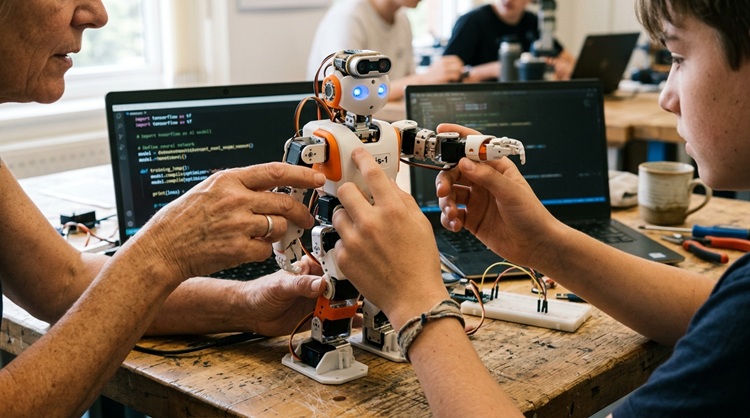
Technology can augment the teacher, not replace him or her, when used appropriately.
Information Literacy and New Teaching Paradigms
Digital pedagogy is about teaching that uses technology to enhance teaching and learning. Effective teachers know how to leverage the use of technology and instructional strategies to motivate and engage students.
The characteristics of effective digital pedagogy.
Today’s teachers emphasis:
• Interactive learning experiences
• Student-centered instruction
• Multimedia content integration
• Collaborative online activities
• Data-informed decision-making
The use of innovative teaching methods can contribute to the creation of a lively learning environment, which is suitable for different learning styles and to enhance learning outcomes.
Supporting Student Development OUTSIDE Of Academics
The role of the teacher is very important in the process of students’ development. Academic success is significant but students must also have emotional, social and interpersonal skills in order to be successful in modern society.
Student Growth Areas influenced by Teachers
When working with students, teachers aid them in the development of:
• Communication skills
• Emotional intelligence
• Leadership abilities
• Creativity and innovation
• Ethical decision-making
• Self-confidence
All these skills are needed in today’s world of a fast-changing global economy and job market.
Key insight: Good teachers foster student learning and development.
Creating positive teacher-student relationships.
Technology can help to educate but the key is still in the meaningful relationships.
In a positive teacher-student relationship, there are positive effects on:
• Higher engagement levels
• Improved academic performance
• Greater classroom participation
• Enhanced motivation
• Better emotional well-being
Learning is best achieved when students feel supported, respected and understood. In the virtual classroom, excellent relationships foster a sense of community and trust.
Human Connection in Virtual Learning.Human Connection in Virtual Learning.
Online and Hybrid classrooms: Teacher fosters connection through:
• Personalized feedback
• Virtual discussions
• One-on-one support sessions
• Collaborative projects
• Regular communication
The practices include supporting student engagement in spite of the distance.
Artificial Intelligence in Education: Enhancing, Not Replacing, Teachers
AI is making a significant impact in the education sector by automating repetitive tasks and offering personalized learning.In the field of education, AI is reshaping learning by streamlining repetitive tasks and delivering tailored experiences. Performance data can be used to inform AI tools that can make recommendations for learning, and can be used to support differentiated instruction.
AI has its own limitations and cannot replace the unique human attributes that teachers offer in education, such as:
• Empathy
• Creativity
• Motivation
• Ethical judgment
• Emotional support
However, teachers are still accountable for interpreting data, creating experiences for students to learn, and facilitating meaningful learning interactions.
Action Learning Coach for Educational Leadership and Classroom Innovation.
School leaders as of today are also innovators in the school and learning community. They assess new technologies, utilize successful methods of teaching and learning, and support the success of students.
Innovation in classroom can consist of:
• Project-based learning
• Blended learning models
• Gamified instruction
• Collaborative problem-solving
• Technology-enhanced assessments
Teachers are embracing innovation to help craft future focused and engaging learning experiences.
Preparing Student with Future Ready Skills
Today’s teachers have one of the most crucial roles of preparing students for an unknown future. Employers are looking for employees that can adapt, collaborate, think critically, and effectively use technology.
Teachers develop skills that prepare them to be future ready, including:
• Critical thinking
• Digital literacy
• Collaboration
• Adaptability
• Problem-solving
• Lifelong learning
These skills enable pupils to achieve in education, employment and in life.
Conclusion
Teachers’ work in the digital age goes beyond teaching. Teachers continue to be a critical element to student success in an education system that is evolving with the advent of artificial intelligence, new educational technology, and virtual learning environments. They are mentors, innovators, leaders and relation builders who assist students in gaining the knowledge and skills necessary to succeed in today’s complex world. The role of dedicated teachers can never be replaced by technology, although it is bound to change with time.